How to Restore Your Teeth After Years of Neglect
Published: 11 June 2026
If it’s been a long time since your last dental visit, you’re not alone. Whether due to a busy lifestyle, dental anxiety or simply not knowing where to start, many people find themselves wanting a fresh start with their oral health.
This blog outlines practical, manageable steps to help you begin your journey towards good dental hygiene, from the basics you can do at home through to advanced treatments like dental implants, veneers and root canal therapy.
Understanding what healthy teeth look like
Before starting any treatment, it helps to understand what healthy teeth look like. Healthy teeth aren’t just about appearance; they should feel strong, function comfortably and be free from pain or sensitivity.
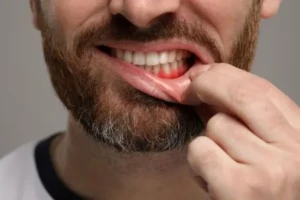
Typically, healthy teeth are clean and smooth, without visible plaque build-up or decay. Gums should be firm and pink rather than red or swollen, and they shouldn’t bleed when brushing or flossing. Fresh breath and the absence of discomfort are also key indicators of good oral health.
If your teeth don’t currently meet this description, don’t worry, improvement is achievable with the right care.
Start with a dental hygienist appointment
Following a dental examination, for many people, the first practical step is a professional dental hygienist appointment. This treatment removes plaque and hardened tartar that can’t be addressed through brushing alone, helping to improve gum health and prevent further issues.
A hygienist appointment can also make a noticeable difference to the appearance of your teeth, lifting stains and leaving your mouth feeling fresher. Just as important, you’ll receive tailored advice on brushing, flossing and daily care, giving you the tools to maintain your progress at home.
Treatments for different issues
There are different treatments for different issues affecting your dental health. Although your dentist will inform you of all your options, it’s always good to have an idea of what to expect before going in.
Here are some of the most common issues and associated treatments:
Treating infection with root canal therapy?
When decay progresses deeper into the tooth, root canal treatment may be required to save it, rather than just a simple filling.
Root canal is carried out under local anaesthetic, where a dentist carefully uses a series of tiny instruments to open the tooth and remove any infection inside the tooth, cleaning the area thoroughly.
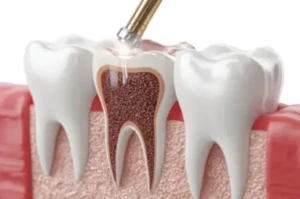
A temporary filling is usually placed on top, and a permanent filling is completed at a separate appointment.
Modern dentistry has made root canal treatment far more comfortable than many people expect, and it’s a highly effective way to preserve your natural tooth and restore function.
Should you consider dental implants for tooth loss?
If tooth loss has occurred, dental implants provide one of the most reliable and long-lasting solutions.
A dental implant replaces the root of a missing tooth with a titanium post, which is then fitted with a crown to replicate the look and function of a natural tooth.
Dental implants not only restore your smile but also help maintain the structure of your jawbone and prevent surrounding teeth from shifting. They can be used to replace a single tooth, a series of teeth or even an entire smile.
For many patients, dental implants are key to rebuilding both oral health and confidence, dramatically improving their quality of life.
What is unhealthy for your teeth that you should avoid?
Understanding what is unhealthy for your teeth is key to preventing further damage.
Common contributing factors include:
- Poor oral hygiene habits (i.e., not brushing and flossing regularly)
- Frequent consumption of sugary or acidic foods and drinks
- Smoking or tobacco use
- Skipping regular dental check-ups
- Teeth grinding or clenching
Addressing these habits is just as important as undergoing treatment, helping to protect your teeth in the long term.
How do I make my teeth healthy again?
To make your teeth healthy again, you need a combination of good personal dental hygiene at home: brushing twice daily and flossing, and professional dental treatments such as regular dental check-ups and hygienist appointments.
How to restore tooth enamel naturally?
A question that our dentists at Clyde Munro hear often is whether patients can restore their tooth enamel naturally. While enamel itself cannot regenerate once it is lost, you can strengthen and protect what remains.
This includes:
- Using fluoride toothpaste to help remineralise enamel
- Reducing acidic and sugary foods
- Drinking plenty of water
- Maintaining good oral hygiene
These steps support enamel health and help prevent further erosion, forming an important part of your overall dental care routine.
How to increase good bacteria in the mouth?
Your oral health isn’t just about your teeth; it’s also about maintaining a balanced microbiome.
If you’re wondering how to increase good bacteria in the mouth, simple lifestyle changes can help. A balanced diet rich in whole foods, reducing sugar intake, staying hydrated and maintaining consistent oral hygiene all support healthy bacteria levels.
Conclusion
Restoring your teeth after years of neglect may feel like a big undertaking, but it’s one that can have a lasting impact on your health and confidence. With the right support and a clear plan of action, it’s entirely possible to rebuild your smile.
At Clyde Munro, patients are welcomed into a supportive dental environment, with expert guidance every step of the way. Whether you need a hygienist appointment, a root canal, dental implants or are considering veneers, the first step is simply getting in touch.
Find your local Clyde Munro practice to book a consultation and take the first step.
Share
News & Blog.


21 September 2026

17 August 2026
